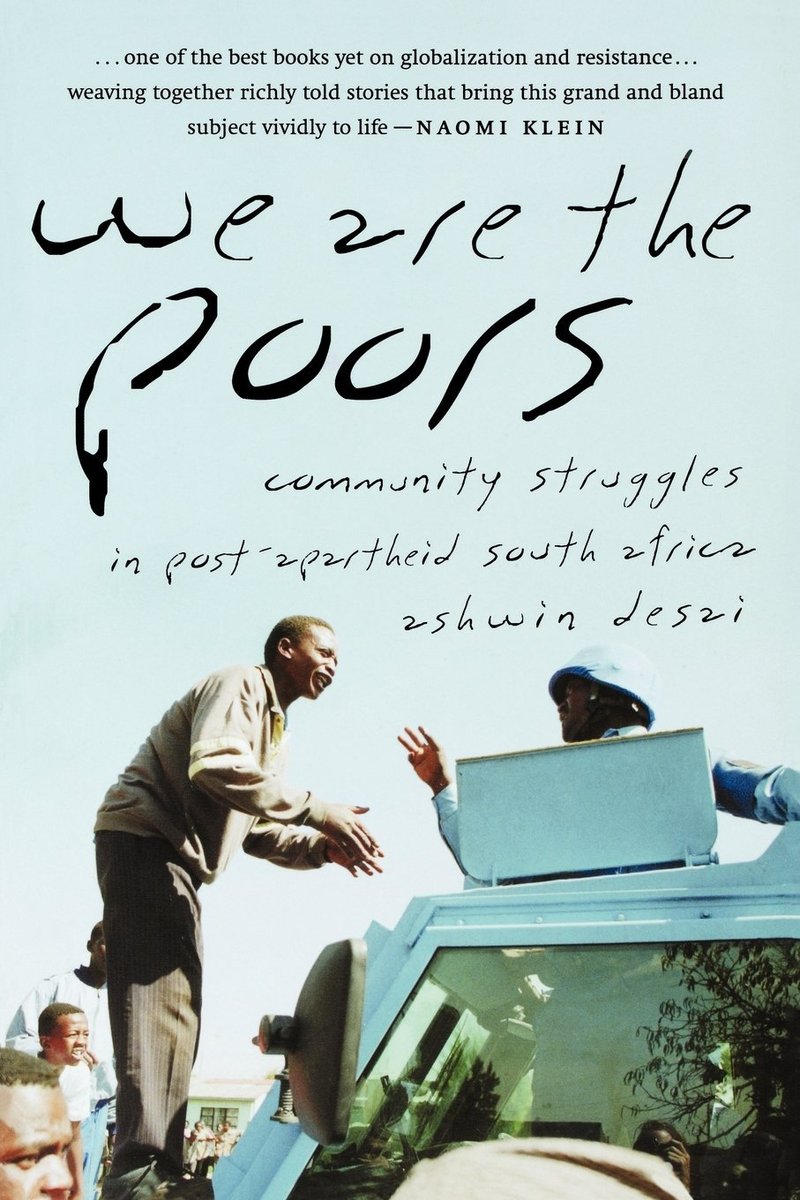
We Are the Poors: Community Struggles in Post-Apartheid South Africa
$16.00 – $19.00
When Nelson Mandela was elected president of South Africa in 1994, freedom-loving people around the world hailed a victory over racial domination. The end of apartheid did not change the basic conditions of the oppressed majority, however. Material inequality has deepened and new forms of solidarity and resistance have emerged in communities that have forged new and dynamic political identities. We Are the Poors follows the growth of the most unexpected of these community movements, beginning in one township of Durban, linking up with community and labor struggles in other parts of the country, and coming together in massive anti-government protests at the time of the UN World Conference Against Racism in 2001.
We Are the Poors follows the growth of the most unexpected of these community movements, beginning in one township of Durban, linking up with community and labor struggles in other parts of the country, and coming together in massive anti-government protests at the time of the UN World Conference Against Racism in 2001. It describes from the inside how the downtrodden regain their dignity and create hope for a better future in the face of a neoliberal onslaught, and shows the human faces of the struggle against the corporate model of globalization in a Third World country.
Ashwin Desai’s We Are the Poors is one of the best books yet on globalization and resistance. Its secret is that barely mentions globalization, and instead weaves together richly told local stories that bring this grand and bland subject vividly to life.
One of South Africa’s leading activist intellectuals has produced a remarkable book detailing growing resistance to neoliberalism in post-apartheid South Africa. Desai gives a moving picture of desperate conditions in post-apartheid South Africa, where things have not changed for most of the people. But this is also a stirring account of a courageous fightback, the fight that is being globalized as we challenge corporate globalization.
Former political prisoner, Robben Island, South Africa
Frantz Fanon warned against first fighting for decolonization, and then hoping that those who usher that historic moment in do not become the postcolonial enemies of freedom. Ashwin Desai’s poignantly written, devastating critique of the cooption of revolutionary goals by neoliberal policies over the past seven years in post-apartheid South Africa restates Fanon’s warning for the present. It is a story told with characteristic irony and clarity by one of South Africa’s foremost freedom fighters and revolutionary intellectuals. This is more than the tragic, spiraling history of a nation in whom the world’s underdogs drew inspiration and hope; it is also a testament to the wider regressive situation all over the world. Read this book!
Author of Her Majesty’s Other Children: Sketches of Racism from a Colonial Age
Contents
- Fatima Meer Comes to Chatsworth
- Harinarian “Moses” Judhoo in the Promised Land
- How Are These People Even Able to Exist?
- A Social Time Bomb Starts Ticking
- The Struggle and Its Fruits: From the Militant Eighties to the End of Apartheid
- “We Are the Poors”
- Upgrading the Houses and the Return of Relocation
- Is It Legal to Be Poor?: Evictions and Resistance
- Faces in the Crowd
- Working Life: From Rags to Tatters
- Thulisile Manqele’s Water
- A Revolt Grows in Isipingo
- Mpumalanga’s New War (co-authored with Heinrich Bohmke)
- Fighting Neoliberalism in Soweto and Tafelsig
- Labor and Community: The Volkswagon and Engen Strikes
- Chatsworth Reignites
- Global and Local: The World Conference Against Racism and the Durban Social Forum
- Building a New Movement?
Appendix: Durban Social Forum Declaration
Publication Date: April 2002
Number of Pages: 160
Paperback ISBN: 9781583670507
eBook ISBN: 9781583675281
Related products
-

Monthly Review Volume 2, Number 9 (January 1951) [PDF]
$10.00 Add to cart -

Monthly Review Volume 2, Number 8 (December 1950) [PDF]
$10.00 Add to cart -

Monthly Review Volume 2, Number 7 (November 1950) [PDF]
$10.00 Add to cart -

Monthly Review Volume 1, Number 7 (November 1949) [PDF]
$10.00 Add to cart -

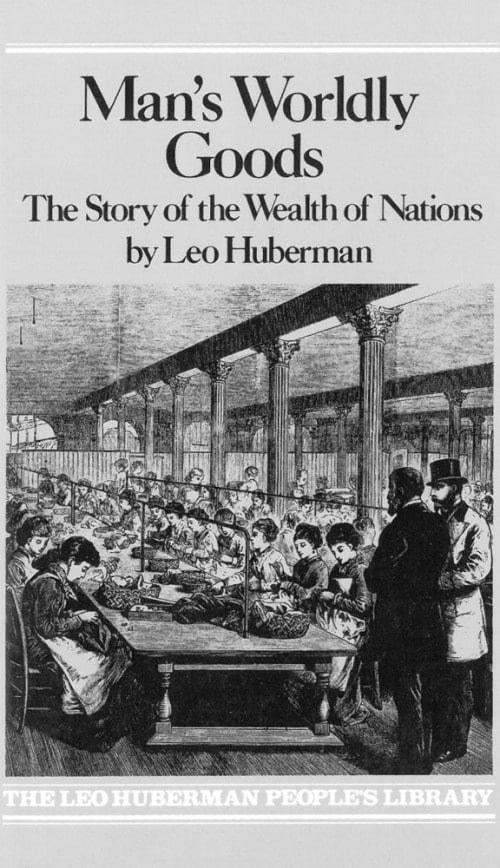
Man’s Worldly Goods: The Story of the Wealth of Nations
$17.00 – $20.00 Select options -

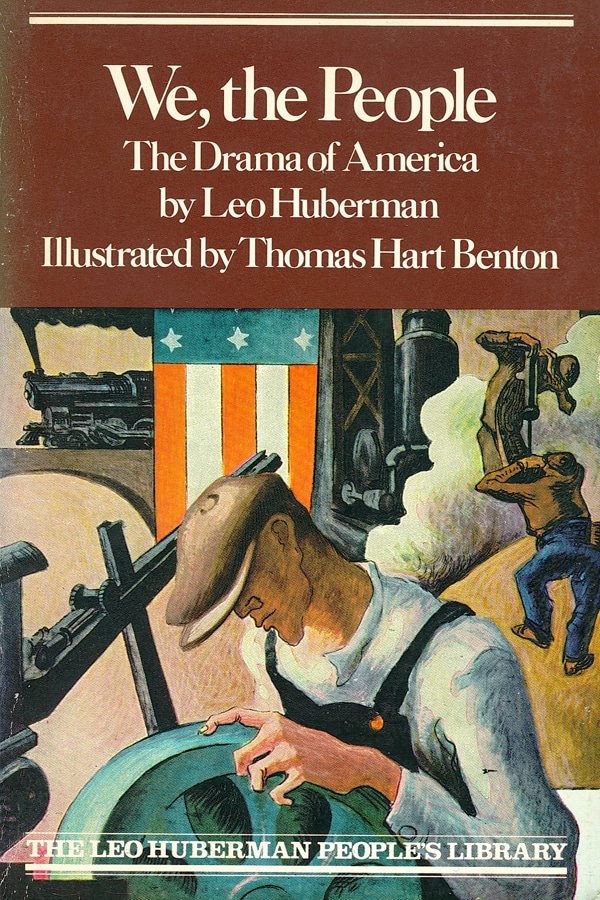
We, the People: The Drama of America
$15.00 – $18.00 Select options
 [PDF].jpg)
 [PDF].jpg)
 [PDF].jpg)
 [PDF].jpg)